
How to Spot Pure vs. Fake Argan Oil: A Comprehensive B2B Testing Guide for Importers
Moroccan Argan oil—widely known as "Liquid Gold"—is one of the most sought-after ingredients in the global cosmetics and personal care industries. However, its premium value and limited geographical origin also make it a frequent target for adulteration, dilution, and low-quality imitations.
For cosmetic brands, private label business owners, and wholesale importers, receiving an adulterated batch of Argan oil can damage brand reputation, lead to regulatory non-compliance, and result in significant financial losses.
This practical guide details both the sensory evaluations and accredited laboratory tests required to verify the 100% purity and quality of your Argan oil shipments.
Phase 1: Initial Sensory Inspection (On-Site & Sampling)
Before sending samples to a laboratory, you can conduct a preliminary sensory evaluation to flag obvious signs of dilution or poor processing:
1. Color and Clarity
-
Pure Cosmetic Argan Oil: Features a clear, warm golden-yellow color. It should not look overly pale or completely transparent, which often indicates heavy chemical refining or dilution with cheap carrier oils (such as sunflower or corn oil).
-
Sediment: A minimal amount of natural sediment at the bottom of a large drum or container is normal for cold-pressed, unrefined oil, indicating minimal thermal processing.
2. Aroma & Scent Profile
-
Authentic Unrefined Oil: Has a subtle, raw, nutty aroma. When applied to the skin, the scent dissipates within a few minutes.
-
Adulterated or Low-Grade Oil: A strong, foul, or sour smell suggests the use of degraded or poor-quality nuts. Conversely, a total lack of aroma indicates that the oil has been deodorized using high heat or chemical solvents, destroying its natural nutrients.
3. Absorption and Texture
-
Authentic Argan oil is silky, lightweight, and non-sticky. It absorbs smoothly into the skin and hair without leaving a heavy, greasy, or tacky film. A heavy, silicone-like residue often signals synthetic additives or mineral oil blending.
Phase 2: Laboratory Analysis & Certificate Verification
Sensory checks are essential, but laboratory testing provides definitive proof of purity. When importing bulk Argan oil, always verify the batch against international standards (such as ISO 22579 for Argan oil) using a certified Certificate of Analysis (COA):
1. Fatty Acid Profile (Gas Chromatography)
Argan oil possesses a distinct, measurable fatty acid composition:
-
Oleic Acid: 43% to 49%
-
Linoleic Acid: 29% to 36%
-
Palmitic Acid: 11.5% to 15%
-
Stearic Acid: 4.5% to 7%
💡 Note: Significant deviations from these parameters indicate blending with other vegetable oils.
2. Acidity & Peroxide Values
-
Free Fatty Acids (Acidity): For Extra Virgin Cosmetic Argan Oil, acidity should remain between 0.8% and 1.5%. Higher acidity points to poor raw material quality or improper extraction.
-
Peroxide Value: Indicates fresh oil oxidation status. A quality batch should measure under 15 meq O2/kg. Higher levels indicate oxidation and reduced shelf life.
3. Sterol Profile (The Purity Fingerprint)
Sterol testing acts as the ultimate chemical fingerprint for Argan oil. Authentic Argan oil contains rare sterols like Schottenol and Spinasterol, while lacking brassicasterol or campesterol in significant amounts. This analysis detects even minor adulteration with soybean, rapeseed, or sunflower oils.
Phase 3: How to Secure 100% Pure Moroccan Argan Oil
To protect your supply chain and guarantee product purity, incorporate these verification practices into your procurement process:
-
Source Directly from Moroccan Manufacturers: Cut out unnecessary brokers by partnering directly with an established producer in Morocco to ensure full traceability from harvest to export.
-
Require Organic & Quality Certifications: Request recognized global credentials such as ECOCERT, USDA Organic, and ISO 22716 (GMP).
-
Inspect Batch-Specific Documentation: Ensure every shipment is accompanied by a fresh Certificate of Analysis (COA) and Material Safety Data Sheet (MSDS).
Conclusion
Verifying the purity of your Argan oil is the cornerstone of building a premium cosmetic brand. Combining sensory checks with rigorous lab testing guarantees that your end customers receive authentic, high-performing Moroccan "Liquid Gold."
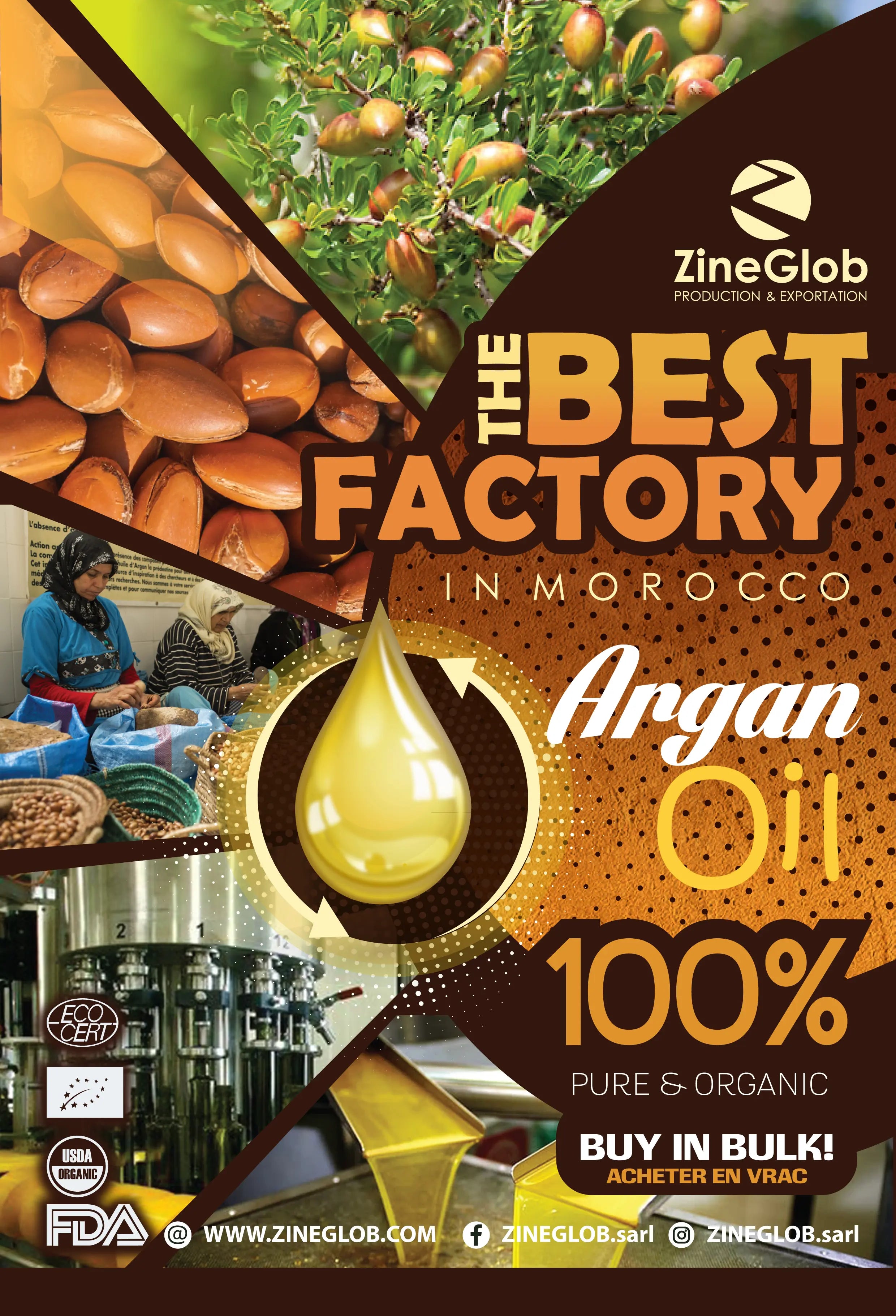
At Zineglob, we supply 100% pure, cold-pressed organic Moroccan Argan oil backed by full international certification, batch-specific lab analyses, and complete export compliance.


Leave a comment
This site is protected by hCaptcha and the hCaptcha Privacy Policy and Terms of Service apply.